
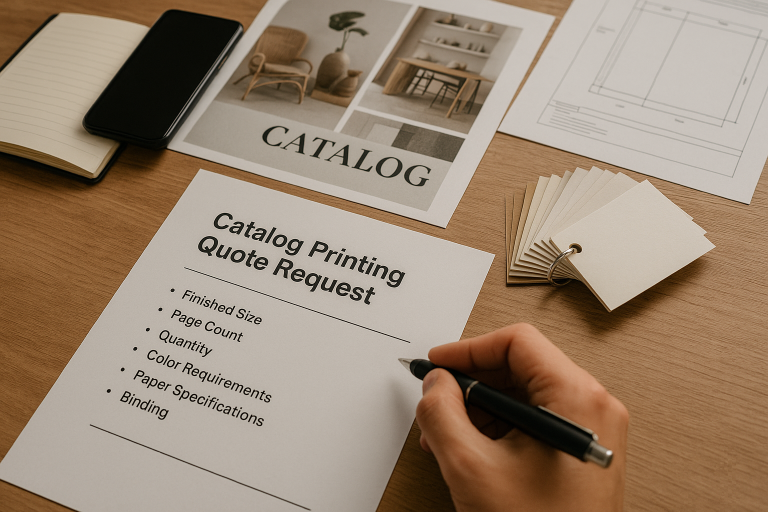
What to Include in a Catalog Printing Quote Request for Faster, More Accurate Estimates
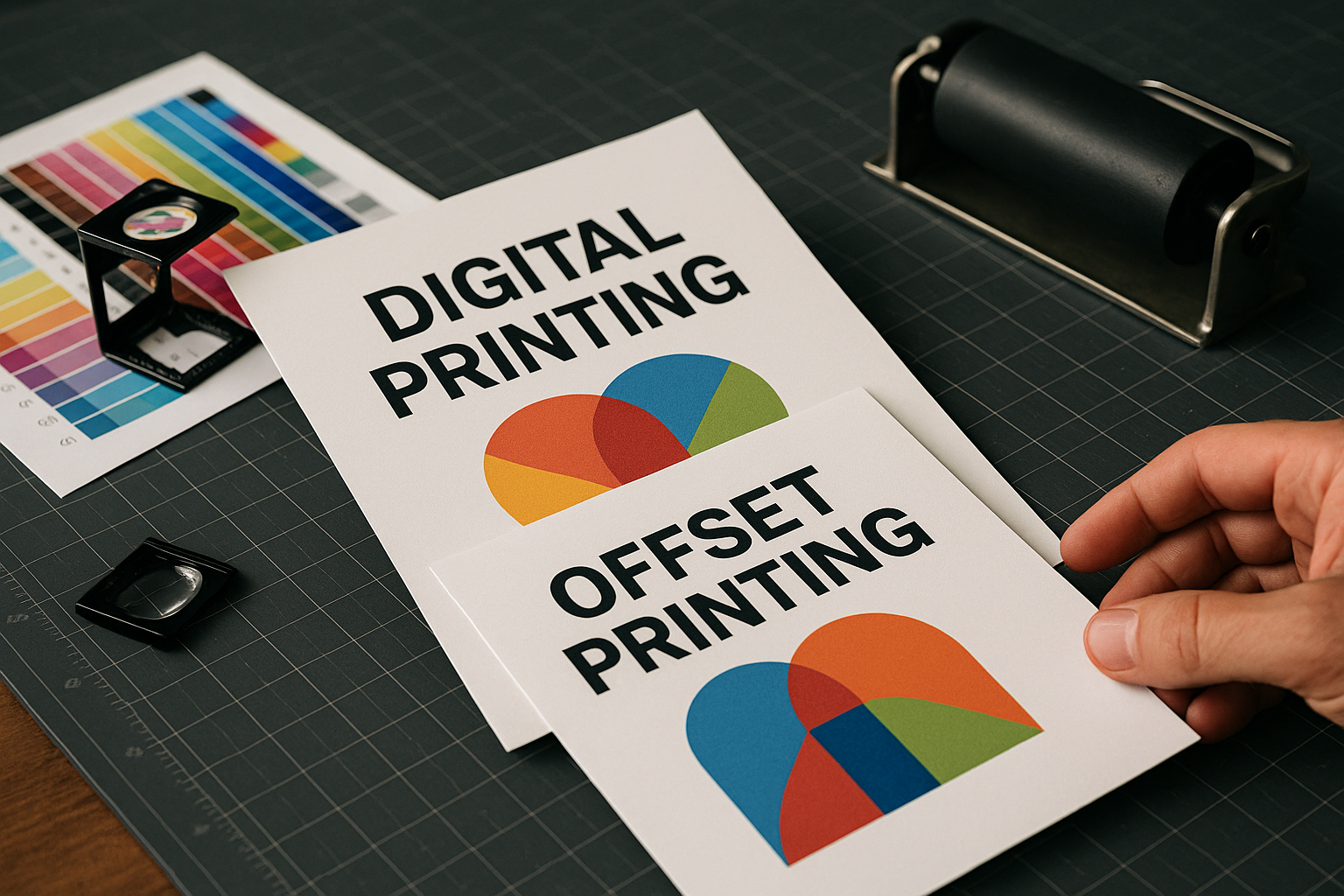
When you are planning a commercial print project, one decision affects nearly everything that follows: should you use digital or offset printing? The answer shapes your budget, production schedule, customization options, and the finished look of your materials. For marketing teams, purchasing departments, nonprofits, and business owners, choosing the right process can mean the difference between a smooth, cost-effective print run and a project that feels more expensive or less effective than it should.
The good news is that there is no mystery behind the choice. Once you understand how each method works and where each one shines, it becomes much easier to match the printing process to your business goal. Whether you are producing brochures, catalogs, newsletters, direct mail printing, annual reports, fundraising printing, or recurring corporate printing materials, the best option depends on what you need the piece to do.
In this guide, we will break down digital vs offset printing in practical terms, compare their strengths, and show you how to decide which method fits your next commercial print run.
Why the Printing Method Matters
Printed materials do more than deliver information. They represent your brand in a tangible way. A sales sheet handed to a prospect, a catalog mailed to customers, a donor appeal package, or a trade show handout all communicate quality before anyone reads the first sentence.
That is why the printing process is not just a production detail. It influences:
- How your colors appear
- How sharply images and text reproduce
- How cost changes as quantity increases
- How quickly materials can be produced
- Whether each piece can be personalized
- Which paper stocks and finishes make the most sense
Businesses comparing commercial printing services often focus first on price, but the smartest decision considers the full picture: the audience, the intended use, the run length, and how the piece fits into a larger campaign.
What Is Digital Printing?
Digital printing transfers artwork directly from a digital file to the press, without creating traditional printing plates. This makes setup faster and allows quick changes from one piece to the next.
Digital printing for marketing materials is especially useful when speed, flexibility, and shorter runs matter. It is commonly used for:
- Brochures
- Postcards
- Flyers
- Business cards
- Short-run booklets
- Newsletters
- Variable data direct mail printing
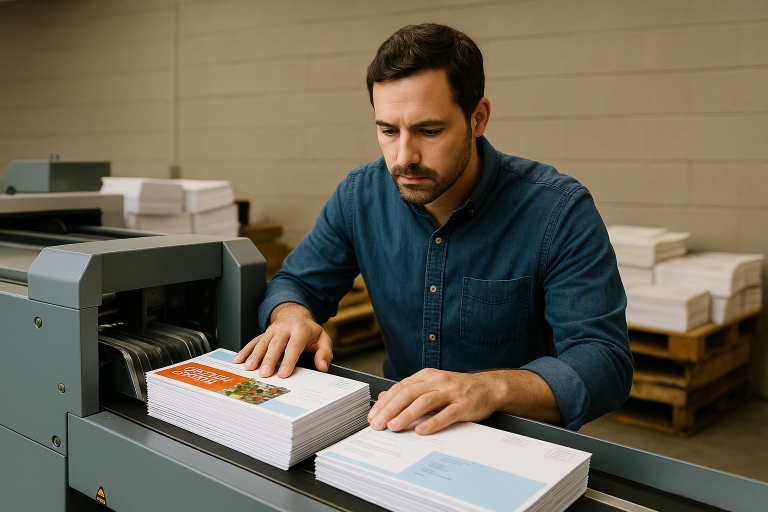
Because the setup is streamlined, digital printing is often a strong choice for projects that need to move quickly from approval to production. It also makes versioning and personalization much more efficient. If one mail campaign needs different names, offers, or location details on each piece, digital is often the logical fit.
Key advantages of digital printing
- Lower setup requirements for short runs
- Faster turnaround for many projects
- Easy personalization with variable data printing
- Convenient for frequent updates or multiple versions
- Efficient proofing and reprints
For example, a company launching a targeted campaign may need 500 postcards customized by audience segment. A nonprofit may want donor letters with personalized names and giving history references. A multi-location business may need similar flyers with location-specific contact details. In cases like these, digital printing for marketing materials offers flexibility that is difficult to match with traditional plate-based production.
What Is Offset Printing?
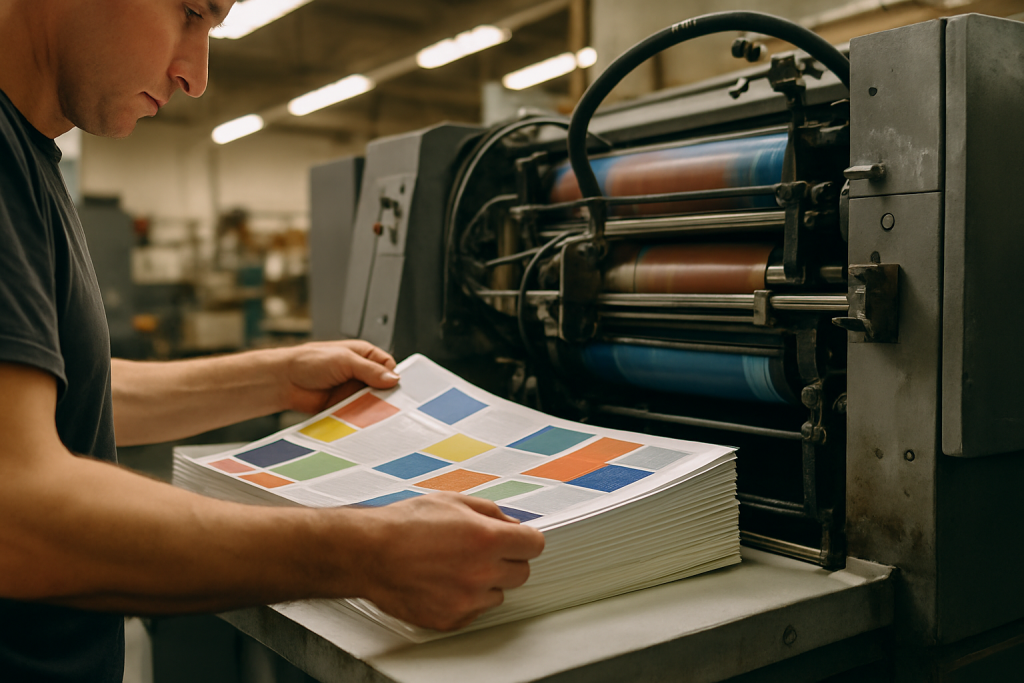
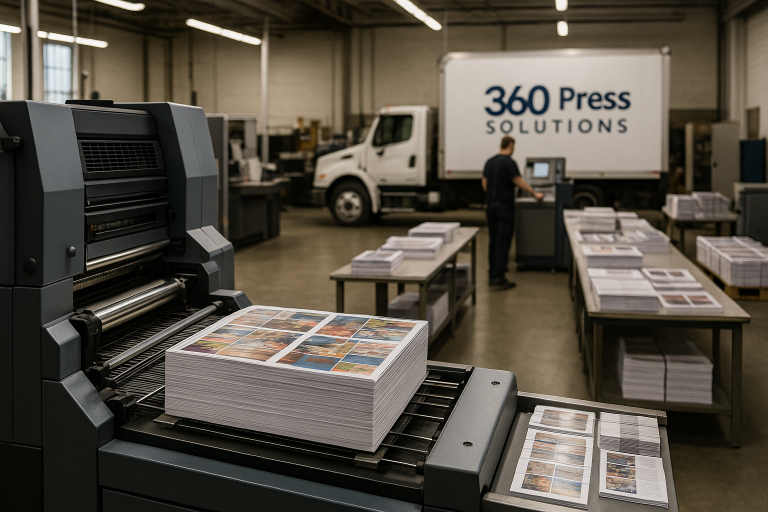
Offset printing uses metal plates to transfer ink onto a rubber blanket, which then applies the image to paper. It has long been the standard for high-volume commercial printing services because it delivers excellent consistency, strong image quality, and cost efficiency at larger quantities.
Offset printing for businesses is often used for:
- Large brochure runs
- Catalog printing
- Magazines
- Corporate publications
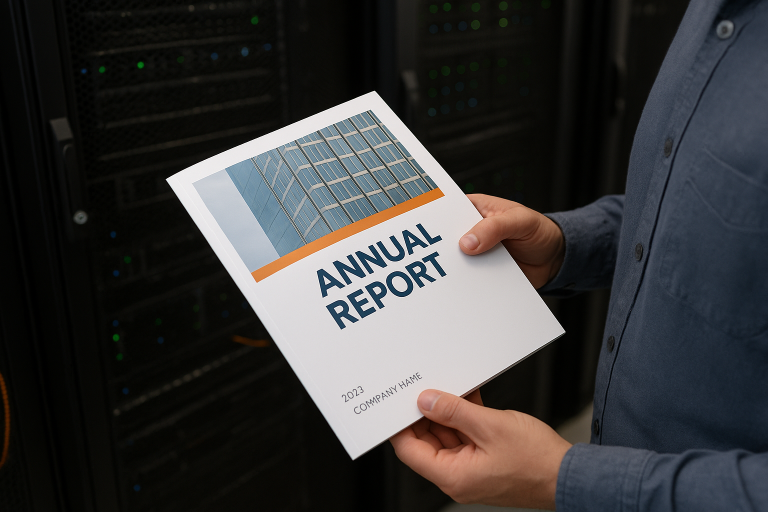
- Annual reports
- Letterhead and envelopes
- Long-run postcards and sales materials
Although offset generally involves more setup at the beginning of a project, that setup cost spreads out over higher quantities. As volume increases, the cost per piece often becomes more competitive than digital.
Key advantages of offset printing
- Excellent quality and color consistency across long runs
- Cost-effective for larger quantities
- Broad paper and specialty ink options
- Strong performance for brand-sensitive materials
- Reliable for recurring, high-volume production
For example, if a business needs thousands of catalogs, a nonprofit is mailing a major fundraising package at scale, or a company is printing a polished annual report for stakeholders, offset may offer the right balance of quality and economy.
Digital vs Offset Printing at a Glance
| Factor | Digital Printing | Offset Printing |
|---|---|---|
| Best run length | Short to medium runs | Medium to long runs |
| Setup time | Minimal | Higher due to plate creation and press setup |
| Turnaround | Often faster for short runs | Efficient once set up, especially for larger runs |
| Variable data | Excellent for personalization | Limited for piece-to-piece changes |
| Cost efficiency | Strong for lower quantities | Often better per piece at higher volumes |
| Color consistency | Very good | Excellent, especially across long runs |
| Paper and ink options | Good selection | Very broad selection, including specialty inks |
| Typical uses | Direct mail, flyers, short-run brochures, personalized pieces | Catalogs, magazines, annual reports, large brochure runs |
How Quantity Changes the Decision
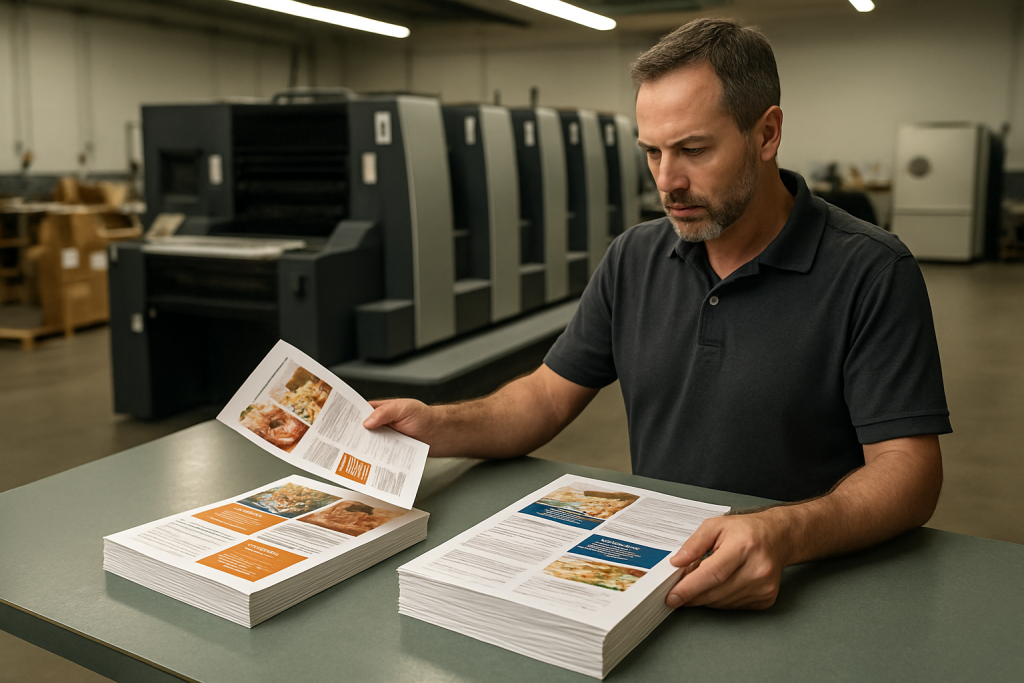
One of the biggest factors in digital vs offset printing is quantity. If you only need a few hundred pieces, digital often makes financial sense because there are fewer setup requirements. If you need several thousand or more, offset frequently becomes the more economical route on a per-piece basis.
This matters for organizations managing recurring campaigns. A marketing team may need a short initial run for a pilot campaign, then a larger second run once messaging is confirmed. In that case, digital may be useful for testing, while offset becomes the better fit for the broader rollout.
Think of quantity in business terms, not just production terms. Ask questions like:
- How many pieces do we need right now?
- Will this piece be used once or reprinted regularly?
- Could demand increase after the first run?
- Would versioning reduce waste by limiting overprinting?
These questions help prevent common problems, such as ordering too many static pieces that become outdated, or choosing a short-run method for a project that really needs volume pricing.
When Speed Matters Most
Timing can be just as important as cost. If your team is preparing for a product launch, trade show, donor drive, or seasonal campaign, a faster production path may outweigh small differences in unit cost.
Digital printing often supports shorter production timelines because there is less setup between approved files and the press. That can be valuable for:
- Event materials with firm deadlines
- Last-minute sales collateral updates
- Time-sensitive direct mail printing
- Rapid reprints after inventory runs low
Offset can still be the right choice when deadlines are planned appropriately, especially for larger projects. But when a campaign needs agility, digital printing for marketing materials often gives teams more room to move.
How Personalization Affects Print Strategy
Personalization is one of the strongest reasons to choose digital printing. Modern campaigns often require more than a one-size-fits-all message. Businesses and nonprofits may want to tailor messaging by customer segment, donor tier, region, product interest, or branch location.
This is especially relevant in direct mail printing. With variable data printing, one campaign can include different names, images, calls to action, or offers from piece to piece. That level of customization can make printed materials feel more relevant and intentional.
Examples include:
- A retailer mailing different offers based on purchase history
- A nonprofit adjusting messaging by donor level
- A healthcare organization sending location-specific service information
- A franchise group producing coordinated but localized promotions
Offset printing is typically better for static designs that remain the same throughout the run. If every piece is identical and quantity is high, offset may be ideal. If each piece needs unique data, digital usually has the advantage.
Comparing Quality and Brand Presentation
Both digital and offset can produce professional results, but the best choice depends on the expectations for the finished piece. Businesses with strict brand standards often care deeply about color accuracy, image consistency, and the tactile impression of the materials they distribute.
Offset printing for businesses has long been associated with top-tier consistency, especially across very large runs. It is often preferred when exact brand color control matters, when pieces need specialty inks, or when the printed piece is meant to signal high value and permanence.
Digital printing has also advanced significantly and can produce excellent output for many applications. For brochures, postcards, newsletters, and many forms of corporate printing, digital quality is more than sufficient and often impressive.
The key is to align quality expectations with the purpose of the piece. A high-volume catalog printing project or investor-facing annual report may call for offset. A personalized sales leave-behind or a regional direct mail drop may be better served by digital.
Paper, Finishing, and Format Considerations
The printing method is only part of the equation. Paper stock, coating, folding, binding, and finishing all affect how a piece performs.
Offset printing often provides broad flexibility for specialty papers, ink choices, and finishing combinations. This can be important for premium brand materials, formal reports, and high-visibility marketing collateral.
Digital printing also supports many attractive paper options and finishing techniques, but compatibility varies depending on the equipment and project requirements. That is one reason experienced commercial printing services are valuable: they can help match the design concept to the right production path before files go to press.
Consider the role of the finished piece:
- Will it be mailed and need postal efficiency?
- Will it be handed out at events and need durability?
- Will it sit in a sales office and need a polished, premium feel?
- Will it be distributed across multiple locations and require consistent inventory management?
These practical questions often clarify whether a project should lean toward digital, offset, or even a mix of both across different components.
Choosing the Right Method for Common Commercial Projects
Brochures and sales sheets
If you need smaller quantities, frequent updates, or multiple versions for different audiences, digital is often a smart choice. If you need a large run with strict color consistency, offset may be better.
Catalog printing
Catalogs are often strong candidates for offset when the run is substantial and visual consistency matters. Short-run or test-market catalogs may work well with digital.
Direct mail campaigns
Campaigns using personalization, variable data, or segmented messaging typically benefit from digital printing. Large-volume static mailers may lean toward offset, depending on quantity and format.
Nonprofit printing and fundraising printing
Fundraising campaigns often combine emotional messaging, careful budgeting, and mailing logistics. Digital can support personalized appeals and segmented lists, while offset may be ideal for large-scale standardized inserts, envelopes, or reply materials.
Corporate publications and annual reports
These projects often reflect the organization at a high level and may need premium presentation. Offset is frequently chosen for larger or especially polished editions, though digital can be practical for smaller distributions or internal versions.
Large-format printing
While large-format production follows its own workflow, the same principle applies: choose the method that matches quantity, material, image requirements, and delivery timeline. Banners, signs, posters, and trade show graphics require their own production planning, which should be coordinated alongside printed collateral for campaign consistency.
Why a Print Partner’s Capabilities Matter
Many organizations do not just need a printer. They need a partner who can help them make the right production choices, catch file issues early, manage finishing details, and coordinate mailing or fulfillment after the press run is complete.
That is especially important for complex projects such as:
- Multi-piece direct mail printing campaigns
- Recurring newsletters or publications
- Corporate printing programs across several locations
- Inventory management for reorders
- Kitting and shipping to multiple destinations
A full-service provider can help connect the print method to the larger business process. For example, a campaign may require digital printing for personalized mailers, offset printing for bulk inserts, list processing for mailing, and fulfillment to distribute supporting materials to sales teams. Looking at these steps together often leads to better decisions than evaluating each part in isolation.
Questions to Ask Before You Decide
If you are comparing digital vs offset printing for an upcoming project, start with a short planning checklist:
- What is the exact quantity needed now?
- Will the design remain the same, or do you need multiple versions?
- Do you need personalization or variable data?
- How important is speed?
- What level of color control and consistency does the project require?
- What paper stock and finishing details matter most?
- Will the project need mailing, warehousing, or fulfillment support?
- Is this a one-time print run or part of an ongoing program?
The answers usually point clearly toward the most efficient production path. They also help your print provider recommend the best approach instead of relying on guesswork.
Making the Smart Choice for Your Next Print Run
There is no universal winner in digital vs offset printing because the best method depends on your goals. Digital printing offers flexibility, speed, and personalization that make it ideal for shorter runs, targeted campaigns, and evolving marketing needs. Offset printing offers consistency, scale, and cost advantages that make it a strong fit for larger volumes and brand-sensitive materials.
The most successful print projects start by defining the business objective first. Are you trying to launch a campaign quickly, control costs on a large run, personalize your outreach, support fundraising goals, equip a sales team, or maintain brand consistency across locations? Once that purpose is clear, the right production method becomes much easier to identify.
For organizations investing in commercial printing services, the real value is not simply getting ink on paper. It is producing materials that look professional, work hard, and support the outcome you want. Whether your next project involves corporate printing, nonprofit printing, catalog printing, direct mail printing, large-format printing, or printing fulfillment, choosing the right method is a practical step toward a better result.
Ready to put your next project into print? Tell 360 Press Solutions what you’re planning and request a quote at https://360presssolutions.com.

Related posts


