
A Practical Guide to Annual Report Printing for Corporations and Nonprofits
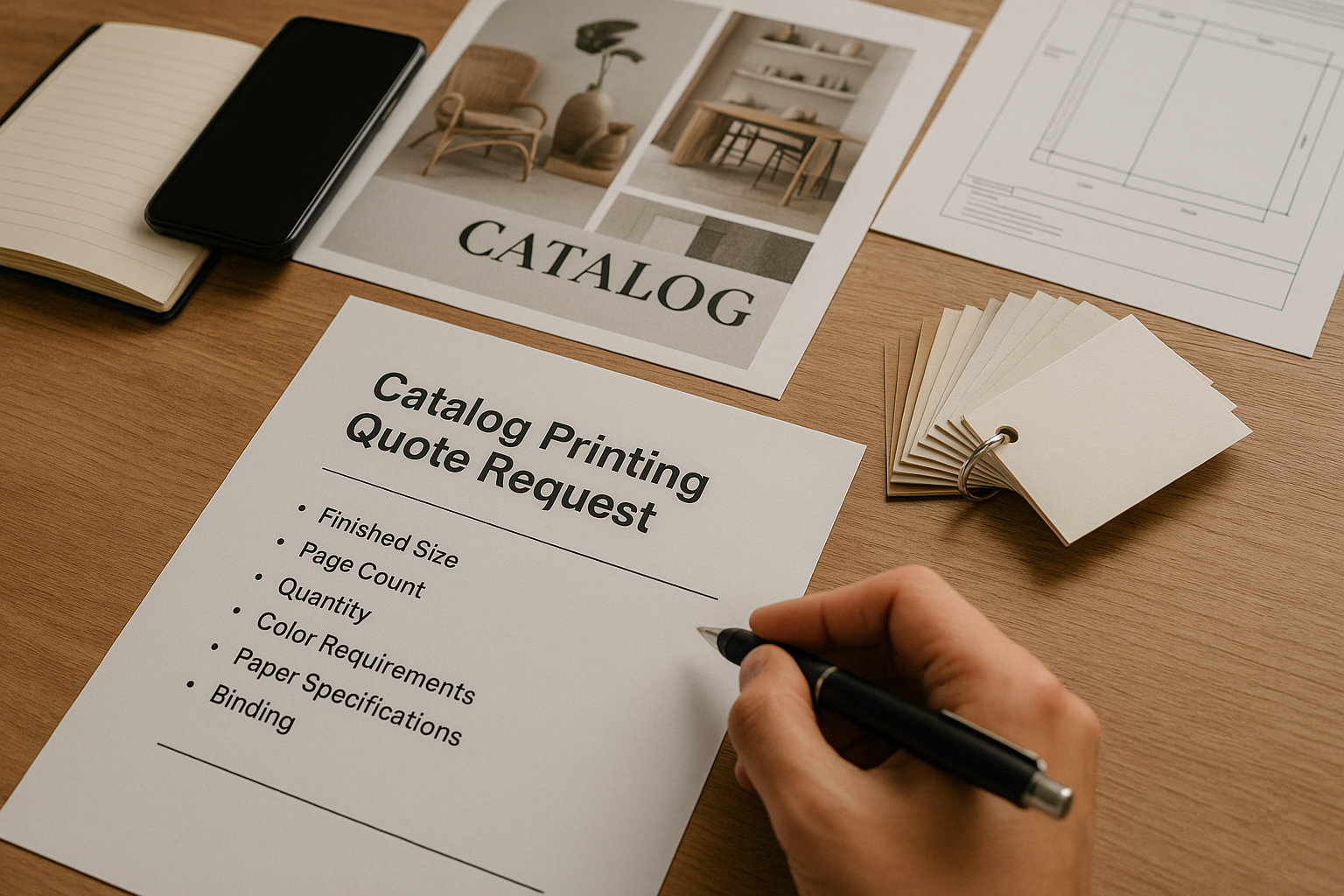
If you are planning a catalog, the quality of your quote request can shape the entire project. A vague request often leads to follow-up emails, revised assumptions, and delays before production planning can even begin. A detailed catalog printing quote request, on the other hand, helps your printer evaluate specifications quickly, recommend the right production method, and provide a more accurate estimate the first time.
For marketing teams, purchasing departments, nonprofits, and businesses managing recurring print campaigns, that efficiency matters. Catalogs often involve multiple moving parts: page counts, paper choices, mailing plans, finishing details, versioning, and distribution logistics. When those details are incomplete, it becomes harder to compare options, control costs, and keep your timeline on track.
This guide explains exactly what to include when you request a printing quote for a catalog, why each detail matters, and how better project information leads to smoother communication with catalog printing services and more reliable planning for commercial catalog printing.
Why a Detailed Quote Request Matters
A catalog is more complex than a simple flyer or postcard. It usually combines design, page sequencing, binding, paper selection, color management, and sometimes mailing or fulfillment. Printers use your quote request to determine press requirements, material needs, finishing steps, labor, packing, and shipping considerations.
When your request is specific, you gain several advantages:
- More accurate pricing based on real production needs
- Fewer rounds of clarification before estimating
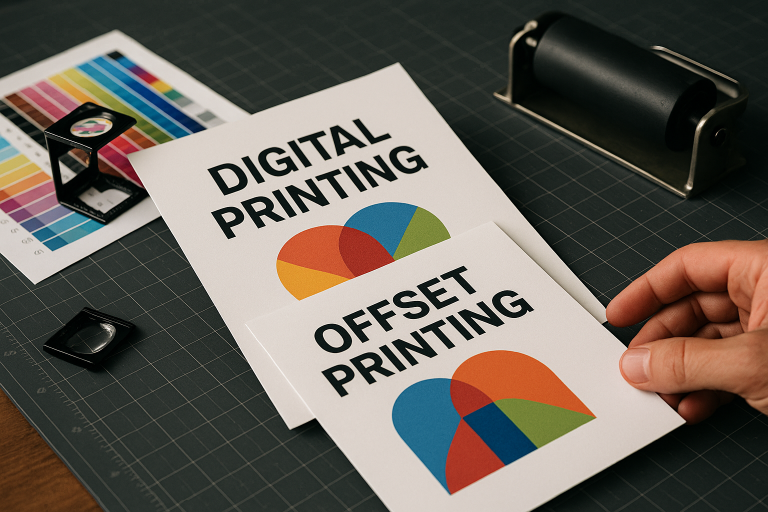
- Better guidance on digital versus offset printing
- Clearer expectations for turnaround and delivery planning
- Early identification of cost-saving options
- Smoother coordination if mailing, warehousing, or fulfillment is involved
In short, a strong quote request helps everyone move from concept to production with less friction.
The Core Details Every Catalog Printing Quote Should Include
If you want a faster estimate, start with the basics. These are the first details most printers need in order to price a catalog correctly.
1. Finished Size
State the final trimmed size of the catalog. Common examples include 8.5 x 11 inches, 6 x 9 inches, or square formats, but your project may call for something custom.
Size affects:
- Paper usage
- Press sheet layout
- Mailing eligibility and postage planning
- Packaging and shipping
- Overall visual presentation
If you are still evaluating sizes, say so. A printer may be able to quote multiple options so you can compare appearance and budget.
2. Page Count
Include the total number of pages, including the cover and any inserts if they will be bound into the piece. In commercial printing, page count matters because it influences press setup, paper consumption, binding method, and production flow.
If your count is still tentative, provide your current estimate and note that it may change. Even that is more useful than leaving the field blank.
3. Quantity
Specify how many catalogs you need printed. Quantity is one of the biggest pricing factors in commercial catalog printing. The most efficient press method can change significantly between a short run and a large run.
If you are weighing several possible quantities, ask for tiered pricing. For example, requesting estimates for multiple run lengths can help you understand where the unit cost becomes more efficient.
4. Color Requirements
Clarify whether the catalog will print in full color throughout, black and white, or a mix of both. Also indicate whether the inside pages and cover use the same color treatment.
Examples include:
- 4/4 full color throughout
- Full-color cover with black-and-white text pages
- Spot color elements for specific brand applications
Color choices affect both production method and price, so precision here is important.
5. Cover and Text Paper Specifications
Paper has a major effect on both perceived quality and print cost. If you know your preferences, include separate specs for the cover stock and the interior text stock.

Helpful details may include:
- Paper weight
- Coated or uncoated finish
- Gloss, silk, satin, or matte appearance
- Brightness or opacity requirements
- Any sustainability preferences if relevant to your organization
If you are not sure which paper fits your goals, explain how you want the catalog to feel. For example, a premium product catalog may call for a heavier coated stock with sharp image reproduction, while a nonprofit program book may prioritize readability, mailing practicality, and budget balance.
6. Binding Method
Catalogs can be finished in different ways depending on page count, budget, durability, and presentation. Indicate the binding style you want or ask for a recommendation based on your page count and intended use.
Common options include:
- Saddle stitching
- Perfect binding
- Spiral or wire binding for specialized uses
Binding affects production time, trim allowances, spine width, mailing considerations, and final appearance.
Important Production Information That Improves Accuracy
Once the basics are covered, the next layer of detail helps a printer produce a quote that reflects the real complexity of your project.
Bleeds, Folds, and Special Format Features
If your pages print to the edge, include that the catalog has bleeds. If there are gatefolds, fold-out panels, tip-ins, inserts, pockets, tabs, die cuts, or perforations, mention them clearly. These features can materially change estimating because they add finishing steps, material considerations, and setup requirements.
Even a seemingly small feature can affect the production path. That is why it helps to list every structural detail upfront.
Coatings and Finishes
Protective and decorative finishes can elevate the look of a catalog, but they also change the estimate. If you want aqueous coating, UV coating, soft-touch finish, lamination, or spot treatments on the cover, include those requests in your quote details.
These finishes may support specific business goals, such as creating a more polished first impression, protecting heavily handled sales materials, or helping photography stand out.
Artwork Status and File Readiness
Tell the printer whether your files are complete, in design, or still being revised. That context helps determine whether the quote should include only print production or additional prepress support.
Useful information includes:
- Whether files are already print-ready PDFs
- Whether design assistance is needed
- Whether image correction or file cleanup may be required
- Whether variable versions or regional editions will be supplied
This is especially important when working with catalog printing services on a deadline. If the files are not yet ready, the printer may still be able to quote the print portion while flagging any prepress considerations that could affect timing.
Proofing Preferences
Let the printer know what type of proof you need. Some projects only require a digital proof for content and layout review. Others may call for a more formal color review, especially if brand consistency or product imagery is critical.
Proofing expectations influence both timing and workflow, so they should be part of the initial request rather than a last-minute addition.
Timing and Delivery Details Printers Need to Know
A quote is not only about how the catalog will be printed. It is also about when and where it needs to arrive.
In-Hands Date or Deadline Window
Instead of saying “needed soon,” provide the actual in-hands date or a realistic delivery window. If the catalog supports a product launch, fundraising campaign, trade show, sales meeting, or seasonal promotion, include that context.
This helps the printer evaluate production scheduling, shipping methods, and whether alternate specifications may be helpful if timing becomes tight.
Shipping Destination or Distribution Plan
State whether the order ships to one location, multiple branches, event sites, sales representatives, or directly to mail recipients. Freight, packing, labeling, and split shipments can all affect the estimate.
Be as specific as possible about:
- Single-location delivery versus multi-location distribution
- Any packaging requirements by bundle, carton, or kit
- Drop-shipping needs
- Whether warehousing or ongoing fulfillment may be required
For organizations managing recurring materials across different offices or territories, this information is especially important. It can turn a standard print quote into a more complete production and distribution plan.
Mailing Requirements
If the catalog is being mailed, mention that at the beginning of the request, not as an afterthought. Mailing changes many production decisions, from format and paper choices to addressing, tabbing, postage preparation, and list handling.
Your request should indicate whether you need support with:
- Direct mail printing
- Addressing and data processing
- Bulk mailing preparation
- Every Door Direct Mail services where appropriate
- Postal compliance considerations
When a printer understands the mailing plan early, they can quote with those steps in mind and help avoid rework later.
How Quantity and Specs Affect the Best Print Method
Many buyers ask for price without realizing that the most cost-effective process depends on the full mix of quantity, page count, schedule, and quality expectations. If you provide strong specifications, a printer can better advise whether digital or offset production makes more sense.
| Factor | Digital Printing | Offset Printing |
|---|---|---|
| Best fit | Shorter runs, versioned pieces, quick updates | Longer runs, consistent repeat production, larger quantities |
| Setup considerations | Lower setup complexity | More involved setup, often efficient at higher volumes |
| Turnaround flexibility | Often useful for tighter schedules | Often ideal for planned campaigns and larger print programs |
| Customization | Well suited for variable or segmented content | Best for standardized large-run output |
| Quote accuracy depends on | Quantity, file readiness, version count | Quantity, page count, paper, finishing, press configuration |
You do not need to choose the print method yourself before you request a printing quote. But you do need to provide enough project information for an experienced printer to recommend the right path.
Helpful Extras That Speed Up the Estimating Process
Some details are not strictly mandatory, but they can dramatically improve estimate quality and reduce follow-up questions.
Share a Sample or Reference Piece
If you have a previous catalog, competitor sample, or a printed piece with a similar feel, mention it or provide images. A physical reference often communicates expectations more clearly than a long written description.
This is useful when discussing:
- Paper feel
- Binding style
- Finish level
- Color richness
- Overall presentation quality
Indicate Budget Sensitivity
If you are trying to hit a certain budget range, say so. That does not mean asking the printer to cut corners. It gives them a chance to suggest alternative quantities, paper options, bind methods, or production approaches that align more closely with your goals.

For example, a printer may identify ways to reduce cost while preserving a professional look and strong brand presentation.
Mention Reorders or Ongoing Programs
If the catalog is part of an annual publication, seasonal promotion, donor campaign, or recurring sales program, include that context. Ongoing work may influence how files are prepared, how inventory is managed, and whether fulfillment or warehousing should be considered from the start.
That broader picture can be especially valuable for organizations that rely on commercial catalog printing as part of a larger marketing or distribution system.
A Simple Checklist for Your Catalog Printing Quote Request
Before sending your request, make sure it covers the following:
- Finished catalog size
- Total page count
- Desired quantity or multiple quantity options
- Color specifications for cover and text pages
- Paper preferences for cover and interior
- Binding method
- Bleeds, folds, inserts, or special features
- Coatings, lamination, or other finishes
- Artwork status and whether files are print-ready
- Proofing requirements
- Required in-hands date
- Shipping destination or distribution details
- Mailing services needed, if applicable
- Any sample, reference piece, or budget guidance
This kind of structured request helps printers respond more efficiently and gives you a more useful estimate for decision-making.
Common Mistakes That Slow Down Catalog Quotes
Even experienced buyers sometimes leave out details that matter. Watch for these common problems:
Asking for a Quote Before the Specs Are Thought Through
It is fine if every detail is not final, but the estimate will be more meaningful if the major decisions are at least narrowed down. Size, quantity, page count, paper direction, and delivery needs should not be complete guesswork.
Not Mentioning Mailing Until Later
A catalog intended for direct mail should be quoted that way from the beginning. Mailing affects design decisions, production planning, and logistics.
Leaving Out Distribution Complexity
A single bulk shipment is very different from dozens of labeled deliveries to field offices, branches, or event sites. Packaging and fulfillment requirements should be part of the original conversation.
Assuming the Lowest Price Is the Best Value
A quote should be accurate, not merely low. If important details are missing, an estimate can look attractive at first but change once production requirements are clarified. A complete request helps you compare quotes on a more equal basis.
Why the Right Printing Partner Makes the Process Easier
Complex catalogs benefit from a printer that can do more than simply put ink on paper. A knowledgeable commercial printing partner can help evaluate specifications, flag production issues early, and coordinate related services such as direct mail, kitting, warehousing, and shipping.
That level of support is useful for businesses managing product catalogs, corporations producing branded publications, and nonprofits distributing campaign or donor materials. When production, finishing, and logistics are coordinated well, the result is not just a better quote. It is a better project outcome.
For buyers comparing catalog printing services, the best experience often comes from working with a team that understands the full lifecycle of a print project: planning, file prep, production, finishing, mailing, and distribution. That kind of coordination helps protect your timeline, your brand presentation, and your internal workflow.
Conclusion
A faster, more accurate catalog printing quote starts with clear project information. The more complete your request, the easier it is for a printer to recommend the right materials, production method, finishing approach, and delivery plan. That saves time, reduces back-and-forth, and helps you make smarter decisions before the job reaches press.
Whether you are sourcing a one-time catalog or building an ongoing print program, taking the time to organize your specifications pays off. Size, page count, quantity, paper, binding, artwork status, schedule, mailing needs, and distribution details all contribute to a quote that reflects the real scope of the job. A thoughtful request does more than produce a number. It lays the groundwork for a smoother, more professional print project from start to finish.




Related posts


