
EDDM vs Targeted Mailing Lists: Which Direct Mail Strategy Makes Sense for Your Campaign?
A fundraising appeal has a demanding job to do. It needs to capture attention quickly, communicate urgency with clarity, build trust in your organization, and make it easy for supporters to take action. In digital-first fundraising environments, printed appeals still play an important role because they create a physical presence in the donor’s hands. A well-produced letter package, postcard, or campaign insert can help your message stand out, especially when the format, design, printing, and mailing strategy all work together.
That is why effective fundraising printing is about more than simply putting words on paper. The print format you choose, the paper stock, the envelope, the personalization, the reply device, and the production method can all influence how donors perceive the appeal and whether they respond. For nonprofits planning donation appeal letters or broader direct mail fundraising materials, thoughtful printing decisions support the larger campaign goal: encouraging meaningful donor action.
This guide explains how to design and print fundraising appeals that support donor response, with practical considerations for nonprofit teams, development staff, and organizations managing recurring mail campaigns.
Start With the Donor Experience
Before choosing paper or finalizing artwork, step back and think about what the donor will actually experience. A supporter does not receive your appeal as a set of production specs. They receive it as a moment of communication. The envelope arrives. They decide whether to open it. They scan the message. They decide whether your cause feels relevant, credible, and urgent. Then they decide whether responding feels simple enough to do now.
Strong nonprofit printing supports that donor journey at every step. The most effective pieces often answer a few basic questions quickly:
- Who is asking?
- Why is support needed now?
- What impact will a gift make?
- How can the donor respond immediately?
If the package is visually confusing, overly crowded, or difficult to return, even a worthwhile cause may lose momentum. Clear design and professional production help remove friction.
Choose the Right Format for the Appeal
Not every fundraising message belongs in the same format. The right approach depends on your audience, campaign goal, budget, mailing list, and the type of relationship you have with donors.
Letter Packages
Traditional donation appeal letters remain one of the most useful formats for donor communication. They allow space for a personal message, a clear ask, response instructions, and supporting inserts. A letter package may include an outer envelope, letter, reply form, reply envelope, buck slip, brochure, or impact insert.
This format is often a good choice when you need to explain a program in more depth, speak to existing donors, or support annual giving campaigns.
Postcards
Postcards can work well for shorter messages, event reminders, giving days, matching gift announcements, or donor reactivation efforts. Because the message is visible immediately, postcards need concise copy and strong design hierarchy. They may be especially useful when speed and simplicity matter.
Self-Mailers
A folded self-mailer gives you more room than a postcard without the additional envelope components of a full package. It can be a practical middle ground for campaigns that need visual storytelling and a compact format.
Multi-Piece Campaigns
Some campaigns perform best when multiple direct mail fundraising materials work together. For example, an organization may send a formal appeal letter followed by a reminder postcard and then a year-end stewardship mailer. This coordinated approach can reinforce the message and improve consistency across touchpoints.
| Format | Best For | Advantages | Key Consideration |
|---|---|---|---|
| Letter package | Annual appeals, major messaging, existing donor outreach | Personal, flexible, detailed | Requires careful assembly and mailing prep |
| Postcard | Short asks, reminders, event-related giving | Fast to read, cost-efficient, immediate visibility | Limited space for explanation |
| Self-mailer | Mid-length campaigns, impact storytelling, updates | More room than a postcard, less complex than a full package | Needs strong folding and panel organization |
| Multi-piece campaign | Recurring appeals, segmented donor communication | Builds repetition and campaign cohesion | Requires coordinated design and timing |
Design for Readability, Emotion, and Trust
Good design in fundraising is not about decoration. It is about guiding the donor’s attention and helping the message feel immediate and credible. Donation appeal letters should feel human, easy to navigate, and aligned with your organization’s voice.
Lead With a Clear Message
Your core appeal should appear quickly. Donors should not have to search for the purpose of the mailing. Whether the message is urgent, celebratory, seasonal, or mission-driven, the main point should be visible in the headline, opening paragraph, or lead visual.
For example, instead of filling the top of the page with general organizational language, a stronger approach is to present a direct statement of need or impact. Specificity tends to be more compelling than abstraction.
Use Strong Visual Hierarchy
Typography, spacing, and layout shape how easily someone can absorb your message. A fundraising appeal should be easy to scan without feeling fragmented. Consider using:
- A prominent headline or opening statement
- Readable body copy with comfortable line spacing
- Subheads to break up longer text
- Bold emphasis for key phrases
- A visible donation ask and response prompt
Dense text blocks can discourage engagement. White space gives important information room to stand out.
Support the Story With Relevant Images
Photography and graphics should reinforce the mission, not distract from it. If you include images, choose visuals that feel authentic and connected to the donor’s potential impact. A few well-selected visuals are often more effective than a crowded layout filled with competing elements.
Maintain Brand Consistency
Consistent use of logo placement, colors, tone, and formatting helps donors recognize your organization quickly. That familiarity supports trust. It also helps if your appeal is part of a broader campaign that includes email, landing pages, event signage, newsletters, or annual reports.
Write Donation Appeal Letters That Work in Print
Copywriting and printing decisions should support each other. A great message can lose effectiveness if it is hard to read or poorly structured. Likewise, a beautifully printed piece cannot compensate for unclear copy.
When writing donation appeal letters for print, focus on clarity and action:
- Address the donor directly
- Explain the need in specific terms
- Connect gifts to outcomes
- Keep the call to action simple
- Repeat response instructions clearly
Printed appeals often benefit from a conversational tone that feels more personal than corporate. Many successful letters sound like one person speaking sincerely to another. This is especially important in fundraising, where trust and emotional connection influence response.
It also helps to think about the physical reading experience. In print, shorter paragraphs, strategic emphasis, and visible response cues can improve usability. If a donor skims the letter, the main message should still be easy to catch.
Make the Reply Process Effortless
One of the most important parts of direct mail fundraising materials is the response device. If donors have to guess how to give, fill out confusing fields, or handle awkward return materials, response can suffer.
Include a Clear Reply Form
A reply form should be straightforward and easy to complete. Include only the necessary fields, present giving amounts clearly, and keep instructions simple. If your campaign includes a suggested ask array, make sure it is visually organized and easy to scan.
Use a Return Envelope
For many appeal packages, a reply envelope remains an important convenience feature. It reduces friction and gives donors an immediate next step. The envelope should match the package and fit the reply device properly.
Support Online Giving Too
Printed appeals do not need to compete with digital giving. They can drive it. Many organizations include a web address, QR code, or campaign-specific landing page so donors can choose the response method they prefer. This is one place where print and digital strategy work especially well together.
Use Personalization Carefully and Strategically
Personalization can make fundraising printing feel more relevant and direct. Variable data printing allows organizations to customize names, salutations, donation amounts, messaging segments, and other details based on donor records.
Used well, personalization can help an appeal feel timely and donor-centered. For example:
- Addressing the donor by name
- Referencing prior giving history appropriately
- Tailoring message versions by donor segment
- Customizing ask levels based on donor data
However, personalization should be accurate, respectful, and purposeful. Overpersonalized messaging can feel intrusive, while outdated data can undermine confidence. Clean lists and careful proofing are essential parts of the production process.
Paper and Print Quality Influence Perception
Donors notice quality, even if they do not think about it in technical terms. The weight of the paper, the finish, the color accuracy, and the crispness of the printing all contribute to the impression your organization makes.
That does not mean every fundraising appeal should look expensive or overly polished. In some cases, a simple and sincere presentation may suit the message better. The goal is alignment: the materials should feel intentional, professional, and appropriate for the audience and purpose.
Paper Weight and Feel
Lighter uncoated stocks can create a personal, letter-like feel that works well for many donation appeal letters. Heavier stocks may be better for postcards, inserts, or impact pieces that need more durability. The tactile experience of the paper can subtly reinforce quality and seriousness.
Coated vs. Uncoated Paper
Coated paper often enhances full-color images and produces a smoother appearance. Uncoated paper can feel warmer and more personal, especially for letters. The right choice depends on the style of the campaign and how much imagery is involved.
Color Choices
Full-color printing can support visual storytelling and brand consistency, but one-color or limited-palette appeals can also be highly effective. The best choice is the one that supports readability, tone, and budget discipline without weakening the message.
Plan Production Around Mailing Requirements
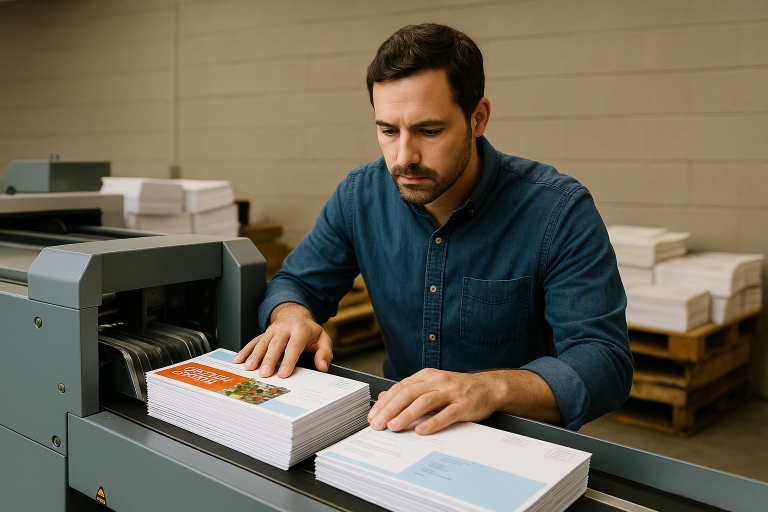
Design decisions and mailing logistics should be coordinated early, not treated as separate steps. This is particularly important for larger campaigns involving multiple components, personalization, or postal preparation.
When planning nonprofit printing for mail, consider:
- Finished piece size and mailing regulations
- Envelope compatibility
- Address block placement
- Barcode areas and clear zones
- Folding requirements
- Insertion and kitting needs
- Mail list formatting and processing
If any of these details are overlooked, the mailing may need adjustments late in production. That can create delays, extra cost, or preventable complications. Coordinating print production with mailing preparation helps campaigns move more smoothly from concept to delivery.
Choose the Right Printing Method for the Project
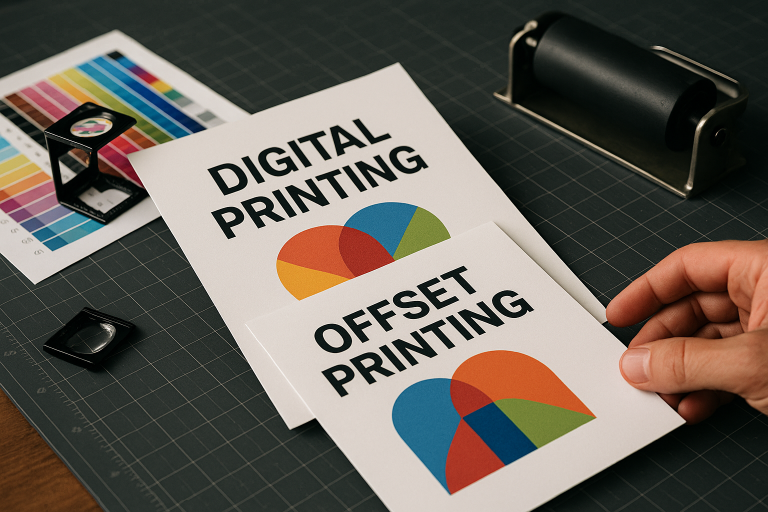
Different fundraising campaigns call for different production approaches. Digital and offset printing each have strengths, and the best option depends on quantity, personalization needs, schedule, and piece complexity.
Digital Printing
Digital printing is often a practical choice for shorter runs, segmented versions, and variable data personalization. It offers flexibility for campaigns that need targeted messaging or frequent updates.
Offset Printing
Offset printing may be the better fit for larger runs, highly consistent color, and projects where economies of scale matter. For organizations producing substantial volumes of direct mail fundraising materials, offset can be a strong option depending on the campaign setup.
The most important point is not choosing a method by habit. It is matching the printing process to the goals of the project.
Think Beyond the Letter: Build a Cohesive Campaign
A donor appeal rarely exists in isolation. It may be one touchpoint in a larger communications calendar that includes newsletters, event invitations, impact reports, annual reports, signage, or follow-up mailers. When these materials share a consistent visual system and message structure, the organization appears more coordinated and trustworthy.
For example, a year-end appeal may connect to:
- A mailed donation letter
- A follow-up postcard reminder
- A printed newsletter featuring program impact
- Event handouts or pledge cards
- A mailed acknowledgment or stewardship piece
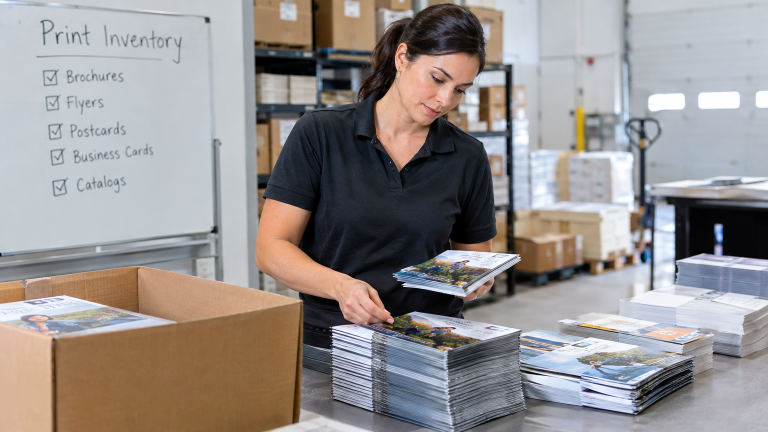
This is where a dependable printing partner becomes especially valuable. Managing multiple formats, schedules, inventory needs, and mailing requirements can become complex quickly, particularly for organizations with recurring campaigns or distribution across many locations.
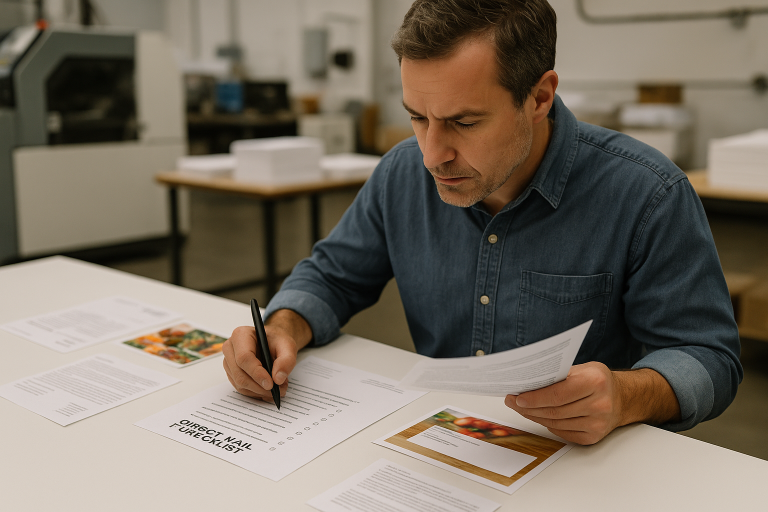
Proof Carefully Before Printing
In fundraising, small errors can have outsized consequences. A wrong donation URL, a missing reply envelope instruction, a typo in a donor salutation, or a layout issue on a response form can affect both credibility and usability.
Before final approval, review the appeal from several angles:
- Copy accuracy
- Donor names and personalization fields
- Reply form functionality
- Mailing indicia and addressing areas
- Color consistency and image quality
- Page order, folds, and inserts
- URLs, QR codes, and campaign codes
It helps to review a proof not only as a marketer or development officer, but as a donor. Is the ask obvious? Is the next step clear? Would the recipient know what to do within seconds?
Measure What You Can Improve Next Time
No single appeal should be treated as a one-time creative exercise. Printed fundraising campaigns become more valuable when organizations learn from each cycle. While donor response can never be guaranteed, campaign performance can inform future improvements.
Useful variables to evaluate may include:
- Format type
- Audience segment
- Offer or ask language
- Suggested gift levels
- Envelope teaser or outer design
- Timing and mailing sequence
- Personalization approach
Over time, these insights can help your team refine both messaging and production choices. Better decisions often come from repeated testing, careful list management, and more coordinated execution across print and mail.
Why Production Expertise Matters for Fundraising Printing
Fundraising appeals involve many moving parts. Design, print method, personalization, paper selection, finishing, postal prep, and fulfillment all affect the final result. Organizations managing complex campaigns often benefit from working with a print provider that can handle these elements in a coordinated way.
For substantial or recurring projects, in-house production control can help maintain consistency across pieces and simplify communication during the job. Services such as variable data printing, direct mail printing, list processing, addressing, sorting, mailing preparation, kitting, warehousing, inventory management, shipping, and fulfillment are especially relevant when a campaign includes multiple components or phased distribution.
That matters not only for fundraising organizations, but also for businesses and institutions producing donor communications, annual reports, newsletters, and broader nonprofit printing programs. The more complex the campaign, the more important it becomes to align creative planning with production realities.
Conclusion
Effective fundraising appeals are built at the intersection of message, design, printing, and donor convenience. Strong donation appeal letters and other direct mail fundraising materials do more than look professional. They guide attention, support trust, simplify response, and help your organization present its mission clearly in a physical format donors can hold and act on.
Whether you are planning a straightforward annual appeal or a multi-piece fundraising campaign, thoughtful choices about format, paper, personalization, reply devices, and mailing preparation can strengthen the donor experience. When those decisions are made intentionally, your printed materials become more than communication pieces. They become practical tools that support connection, credibility, and action.


Related posts


